Understanding PCOS
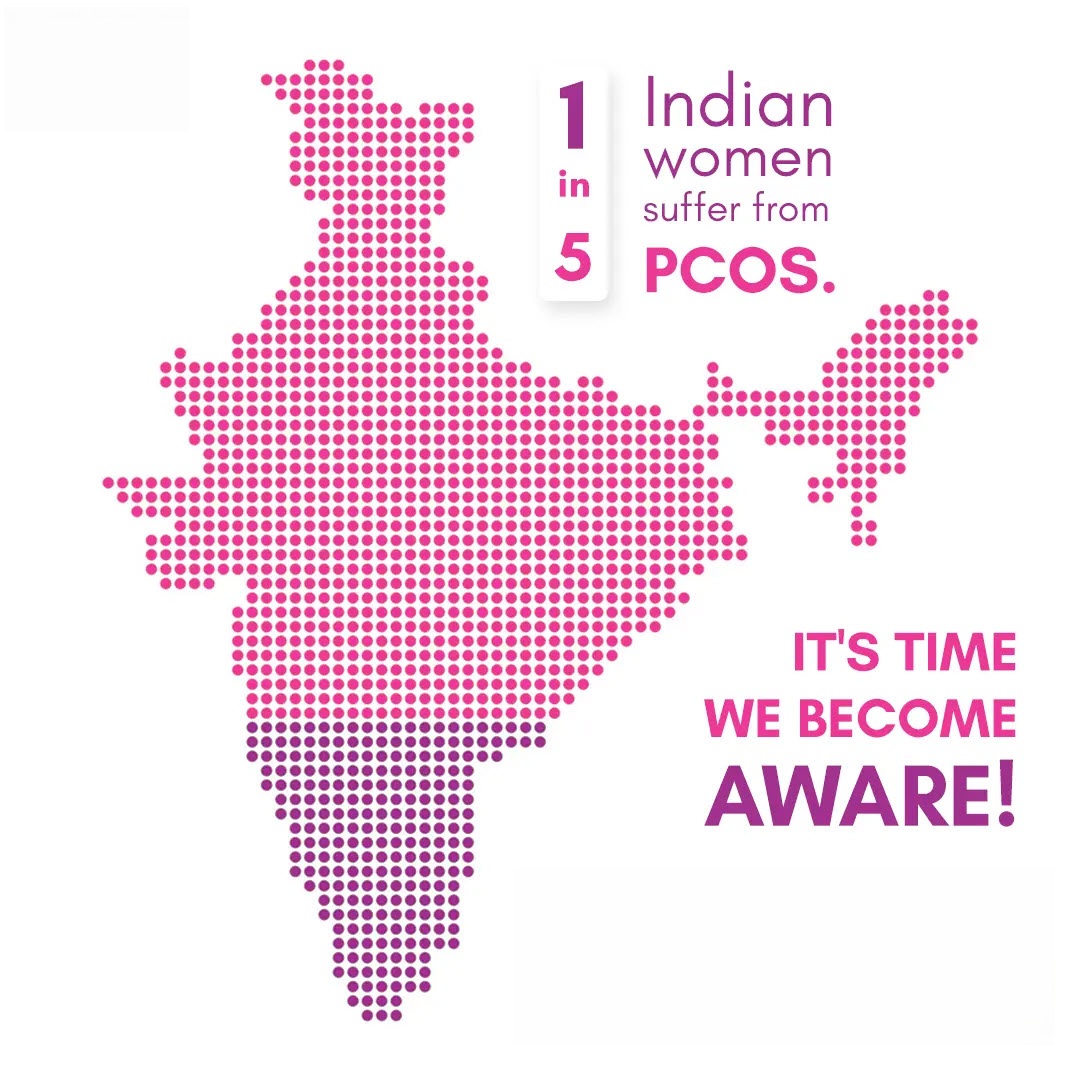
Polycystic Ovary Syndrome (PCOS) is a common hormonal disorder affecting women of reproductive age. In India, PCOS affects an estimated 1 in 5 women, making it a significant public health issue. The exact cause of PCOS is unknown, but it is believed to involve a combination of genetic and environmental factors, including insulin resistance and obesity. The Indian lifestyle, with its increasing urbanization, dietary changes, and reduced physical activity, has contributed to the rising prevalence of PCOS across the country.
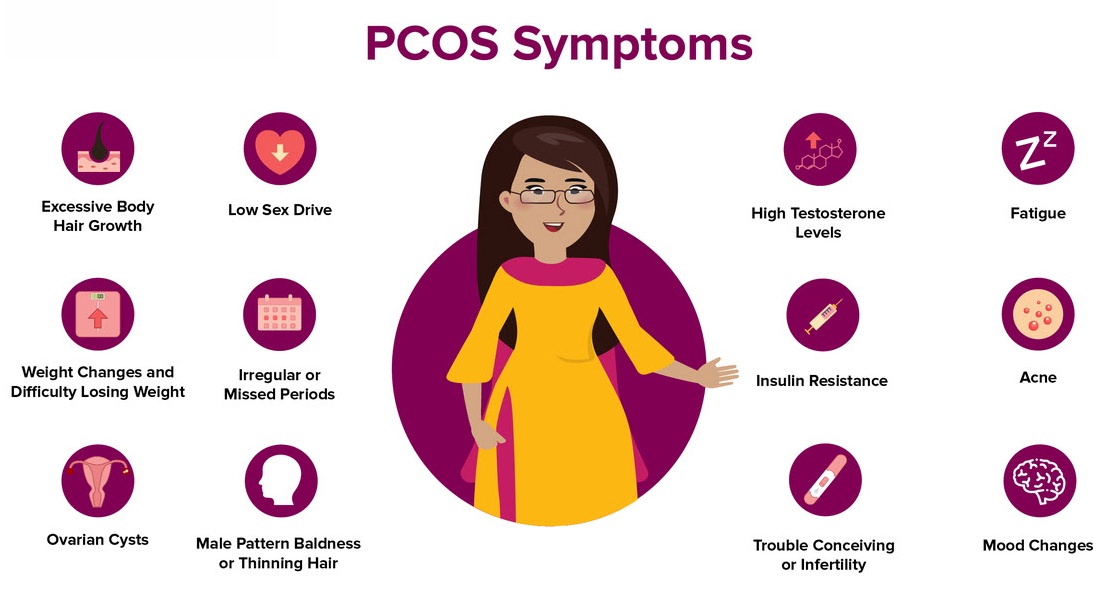
Symptoms of PCOS include irregular menstrual cycles, excessive hair growth, acne, and polycystic ovaries visible on ultrasound. PCOS is also associated with an increased risk of developing type 2 diabetes, fatty liver disease, infertility, and cardiovascular problems. Early diagnosis and management are crucial for reducing long-term health risks. In India, cultural stigma and lack of awareness often delay diagnosis and treatment, leading to more severe complications.
Management of PCOS focuses on lifestyle modifications such as weight loss, healthy diet, and regular exercise. Medications may be prescribed to regulate menstrual cycles, reduce symptoms, and manage associated conditions. Public awareness and support for women with PCOS are essential for improving quality of life and health outcomes. Support groups, counseling, and educational programs are increasingly available in urban centers, but rural areas still face significant barriers to care.
In India, cultural factors and lack of awareness can delay diagnosis and treatment. Educational campaigns and community support programs are helping to break the stigma and provide resources for women affected by PCOS. Ongoing research is exploring new treatments and strategies for managing this complex condition. Indian researchers are contributing to global efforts to better understand PCOS and develop effective therapies.
Recent advances in research have highlighted the importance of early intervention, lifestyle changes, and personalized medicine in managing PCOS. Technology, such as telemedicine and mobile health apps, is being used to improve access to care and support for women with PCOS. Collaboration between healthcare providers, policymakers, and the public is crucial for addressing this growing health challenge in India.
What My Clients Say
Preethi M. 32 - Kochi, Kerala
Anika R., Jaipur
Sanya K., Pune